Our Farm

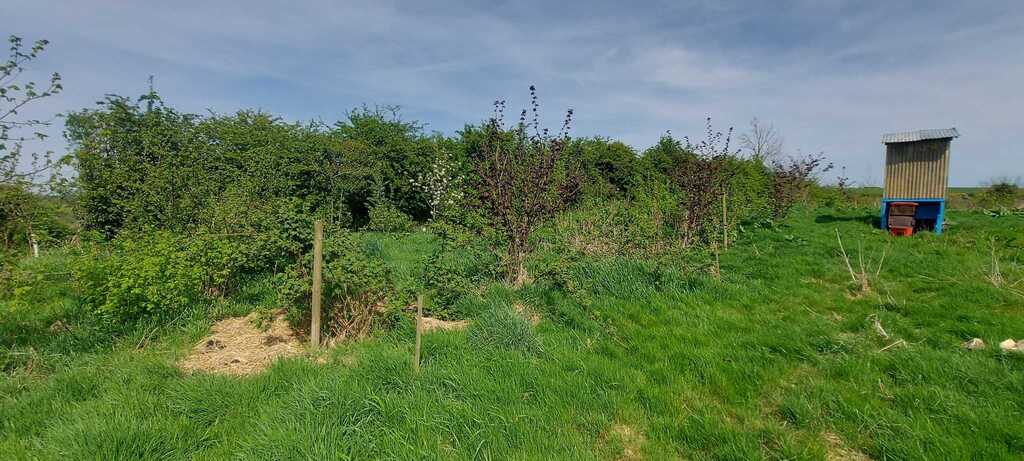
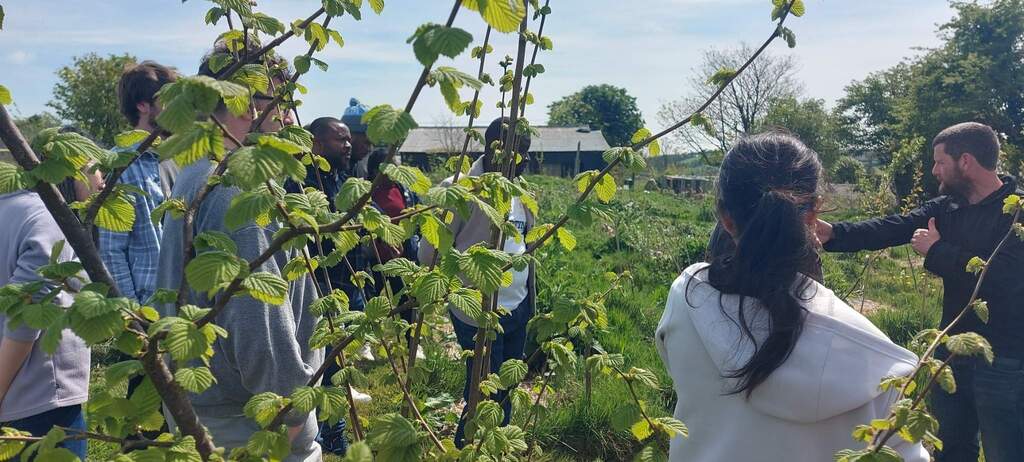
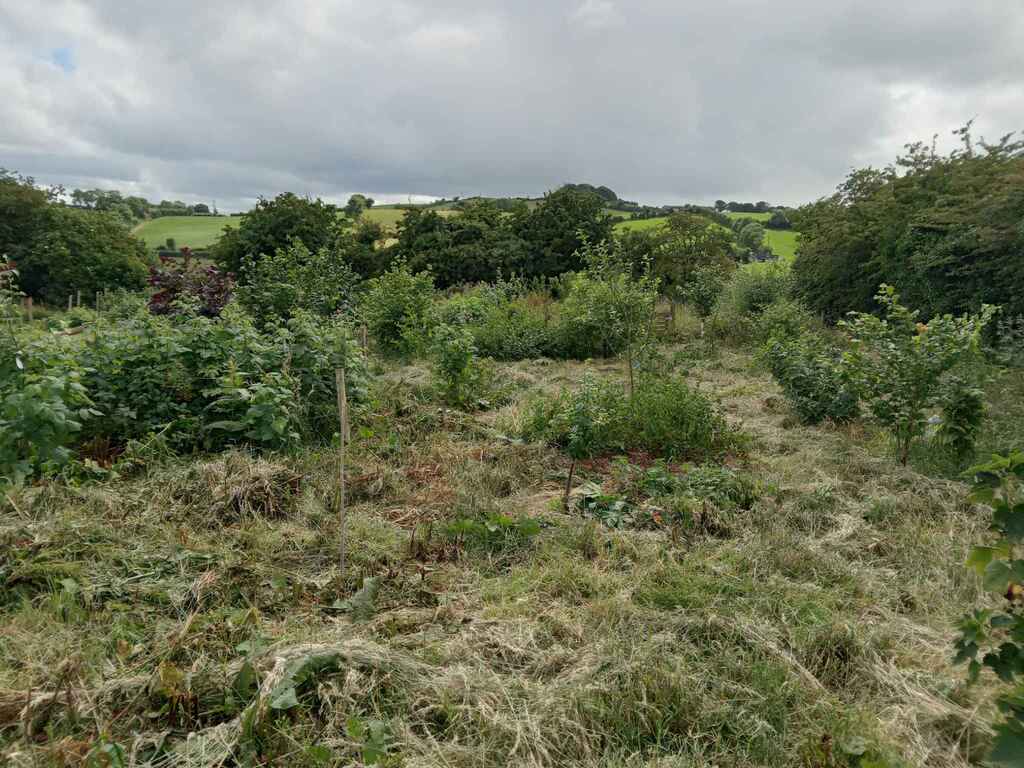
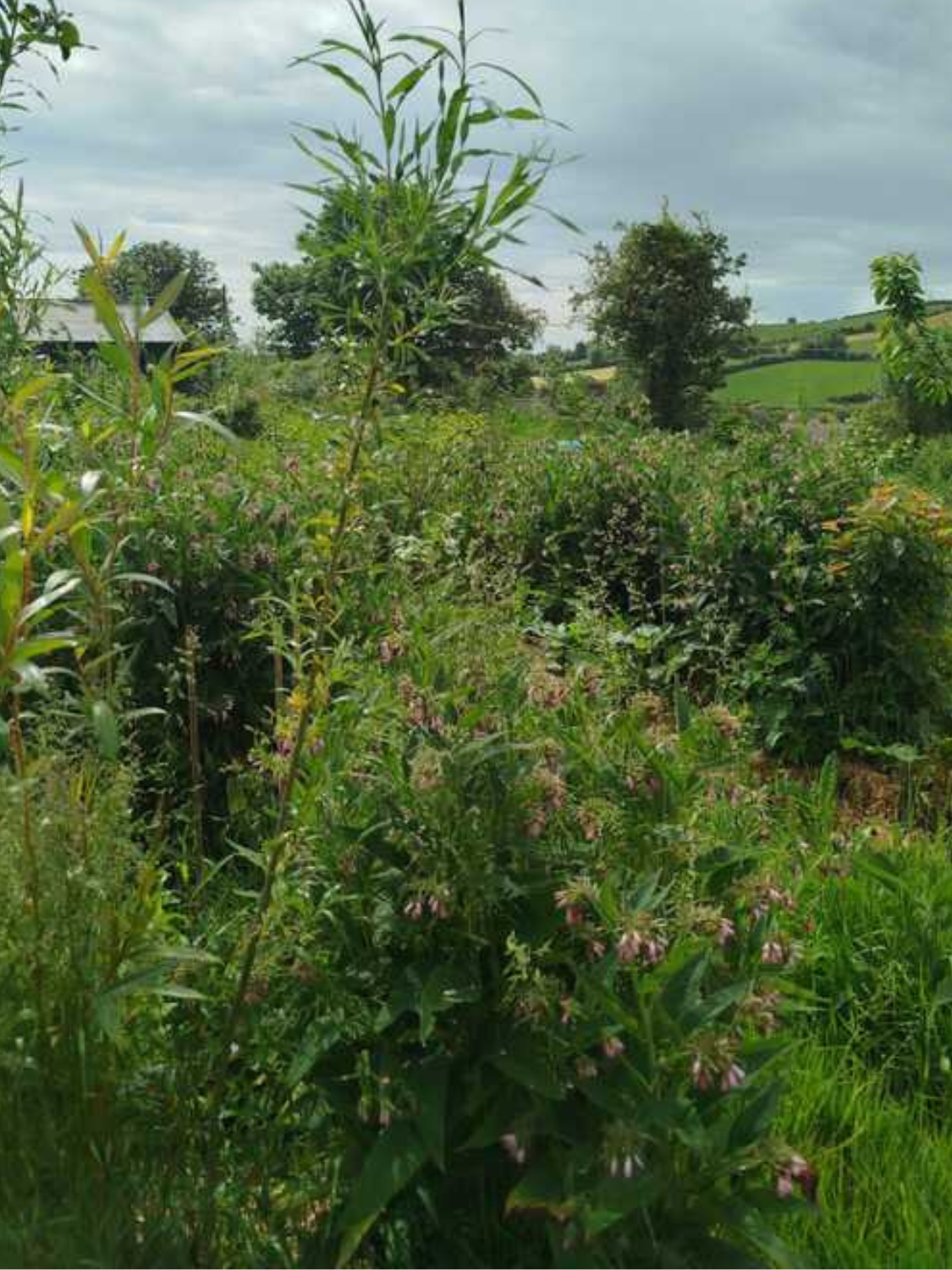
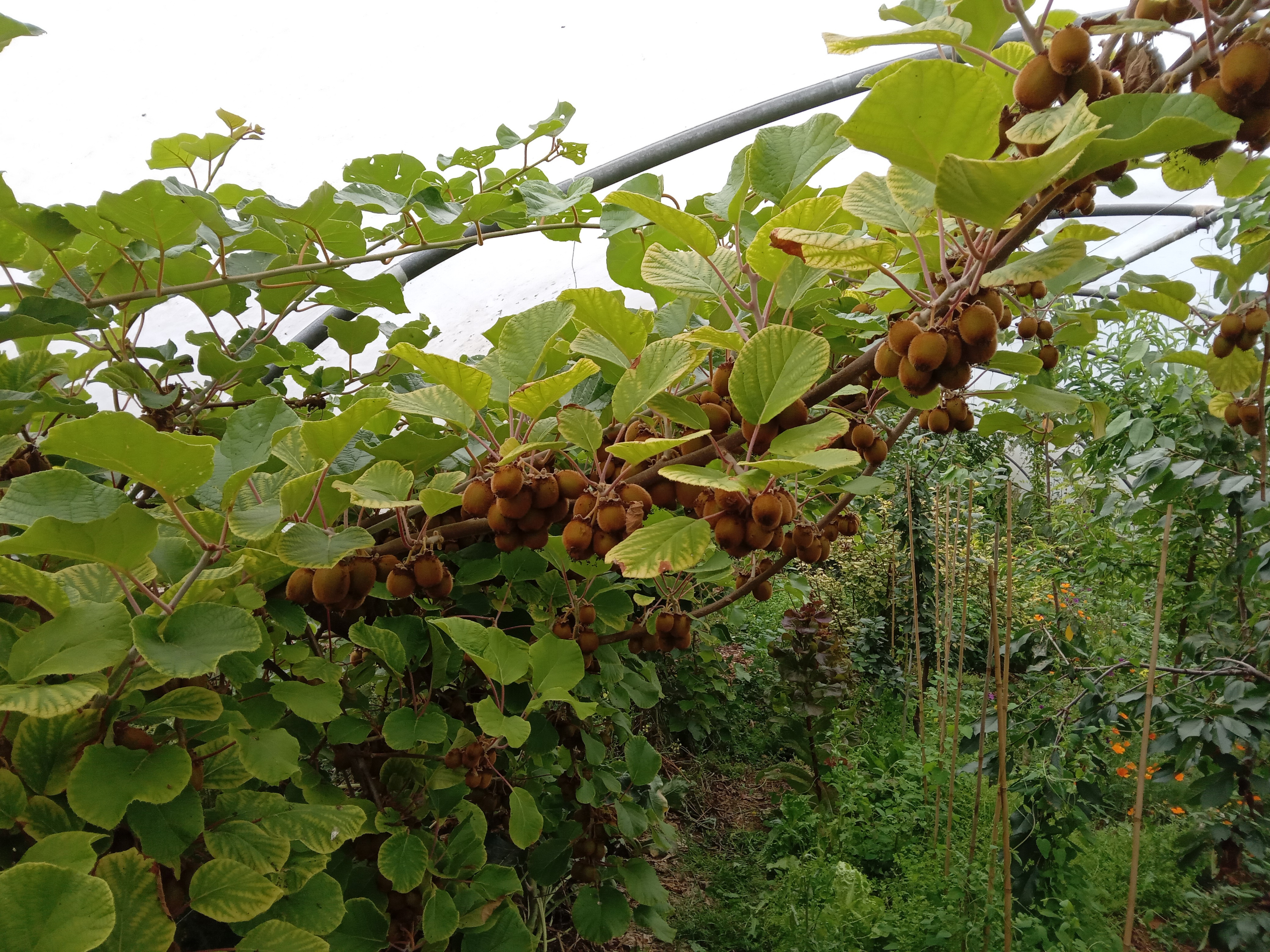
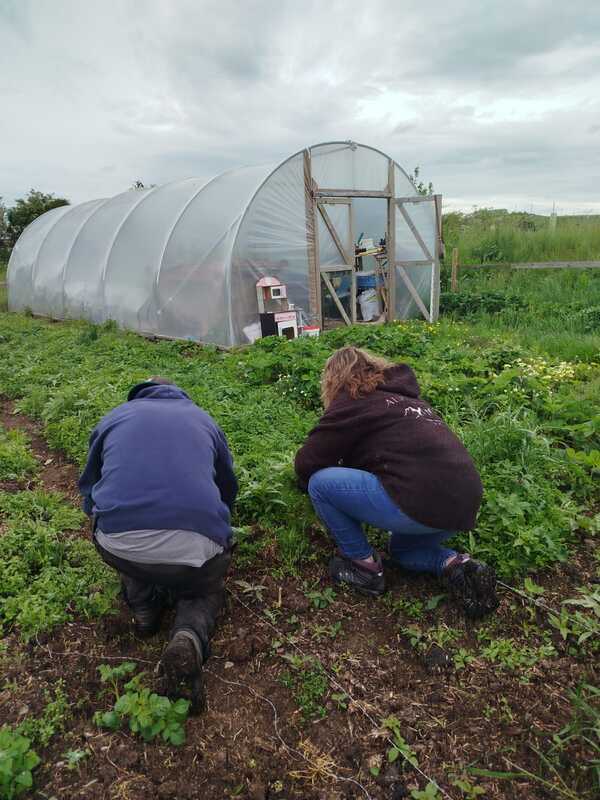
We have an education & community space along with a small demonstration farm, a model of possibilities, that hosts a food forest, syntropic lines, annual crop beds, a polytunnel, chickens, and some pet grazers – the alpacas and shetland ponies.

Our centre and demonstration site

A space for not just theory

One of the core original ideas in the creation of Síolta Chroí was that we didn't want it to be purely theoretical. We didn't want to be it to be good in Theory. We wanted to create a place that shows what is possible when we we work with wider nature not against her.

Most of our agriculture and food system today is monoculture, sprayed with poisons that kill life, that is leading to climate change and biodiversity loss that is poisoning our water bodies and our soils.

What would a food system look like that sequesters carbon, that builds biodiversity, that sequesters carbon (pulls it from the environment rather then puts it out) that feeds our families and our communities nutrient rich food. That builds community and that directs
What is Syntropic Agriculture?


"Siolta Chroi is a place, and change needs a place for expression, imagining, practicing."

Our Education Centre 

Our education centre and home of Síolta Chroí, a purpose-built agroecology education centre and demonstration site located near Carrickmacross, Co. Monaghan, just over an hour from Dublin and Belfast. It is built using strawbale construction and finished with natural clay-based paints, which means we can quiet literally compost our building when we are finished with it. 

The centre is fully accessible, it includes a spacious 50m² training room, a fully equipped kitchen, presentation facilities, broadband access, and on-site parking.

It sits within a 2.9 acres of demonstration land, visitors can explore vegetable growing systems, food forests, agroforestry, syntropic agriculture, and biodiversity-rich pasture areas. The grounds are also home to alpacas, chickens, and pigs, while the surrounding landscape—designed by renowned landscape designer Mary Reynolds—is inspired by the ancient Irish Ogham alphabet.

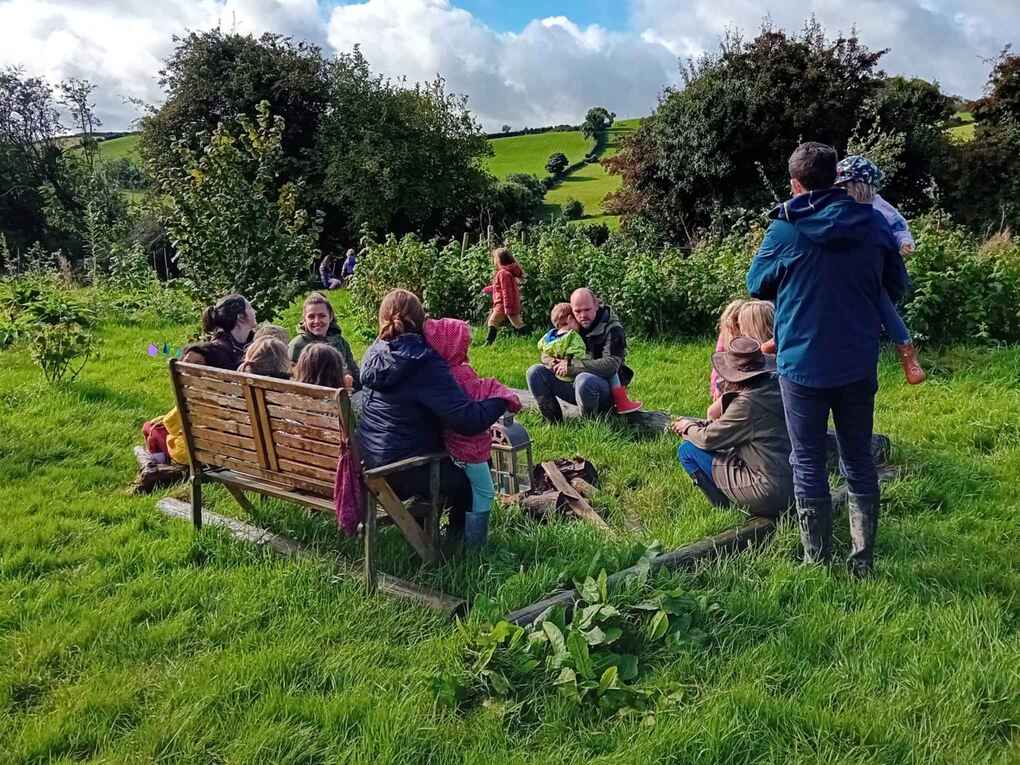
We love to have other groups come and enjoy the space. If you have a group retreat/team building/stratgey day or are a wellness exper that host retreats. We would be happy to chat to you about using Síolta Chroí

Vegetable growing

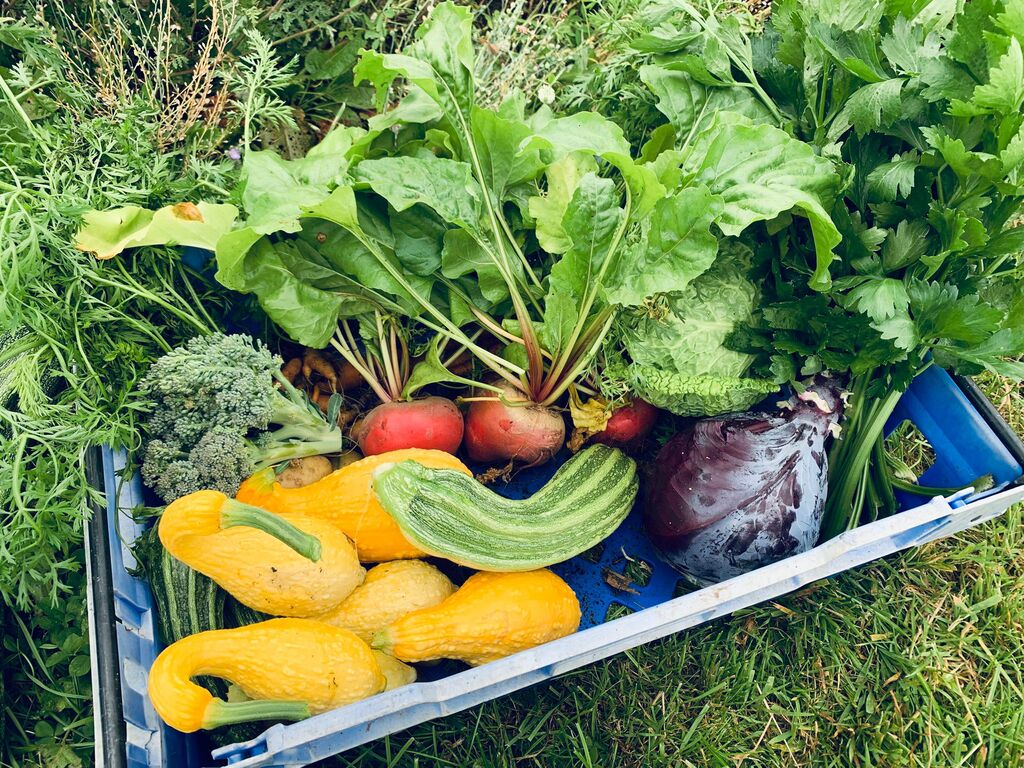
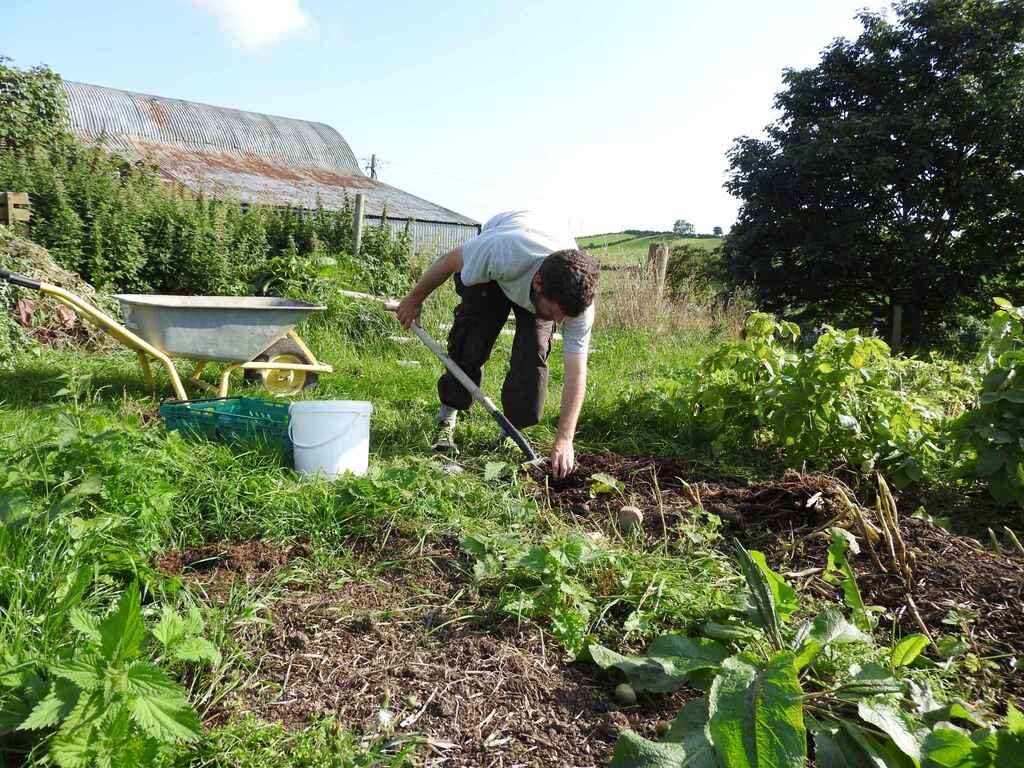
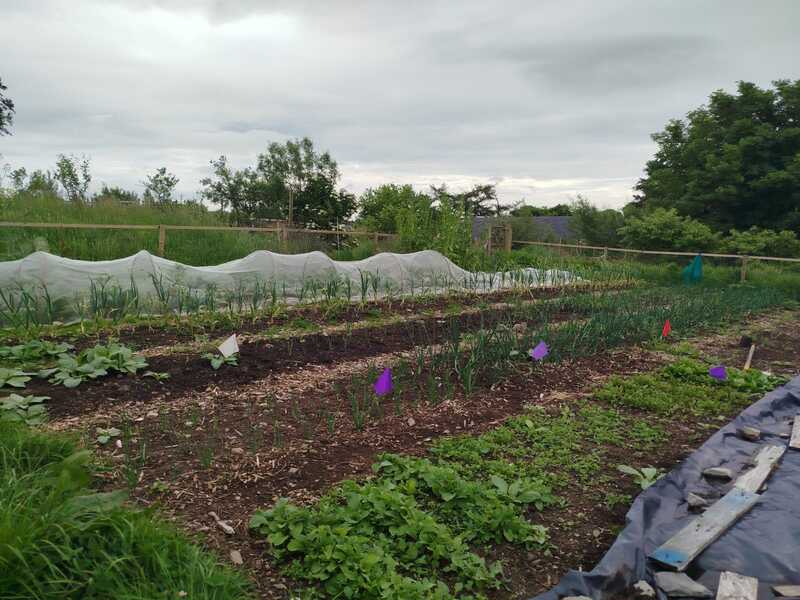
Since 2020, we have been cultivating a diverse range of vegetables using a minimum-till approach, carefully reducing soil disturbance to support healthy soil life, improve biodiversity, and enhance long-term fertility. 

Although we are not yet certified organic, we have never used chemical sprays on our land. Instead, we nourish our soil with biologically rich compost and natural growing practices. Wherever possible, we use open-pollinated seeds, either saved from previous harvests or sourced from Irish seed producers.

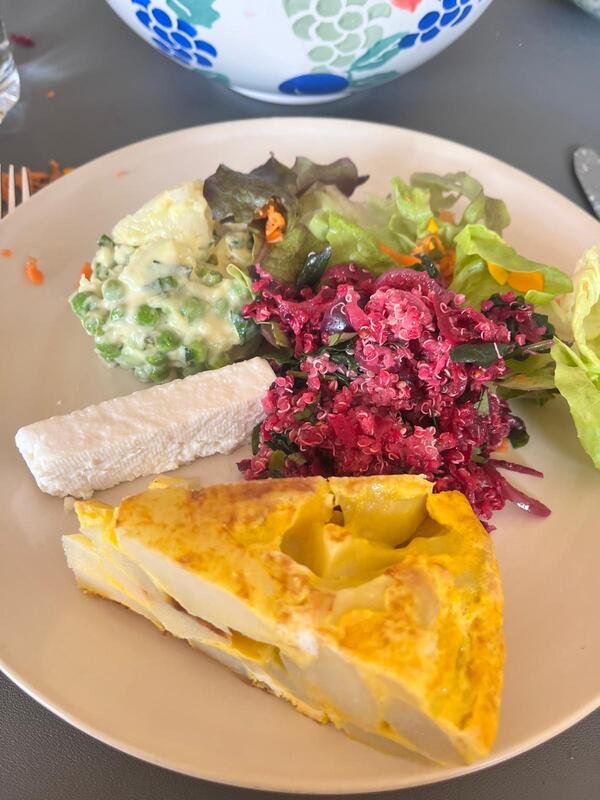
The vegetables grown here provide fresh, nutritious food for participants attending our courses, helping to connect people directly with the land and the food they eat.


  • Vegetable garden
  • Vegetable garden
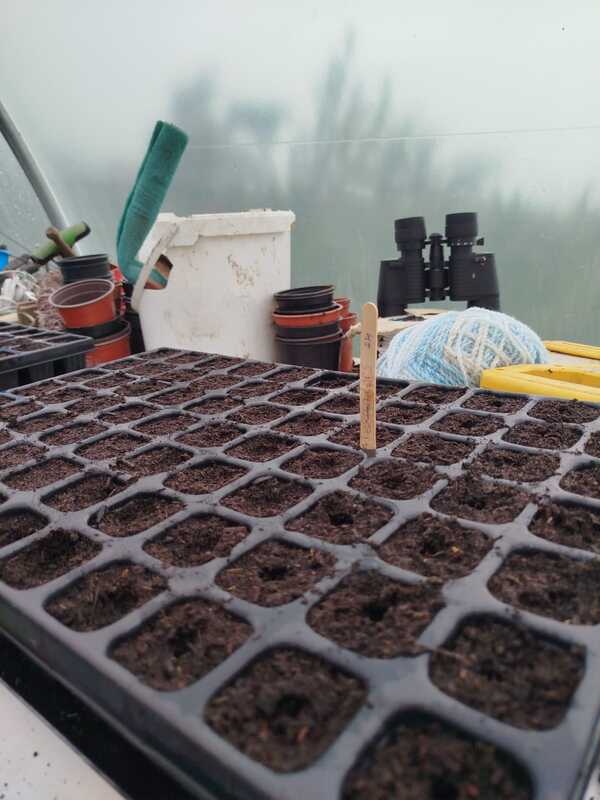
  • Seeds
  • Food from the garden
  • Veg garden
  • Vegetable harvest 2
  • People working the land

Food Forest

What would a food system look like that sequesters carbon, that builds biodiversity, that sequesters carbon (pulls it from the environment rather then puts it out) that feeds our families and our communities nutrient rich food. That builds community and that directs


Nature works through succession. If we stopped cutting, grazing, and ploughing the land, especially here in Ireland, it would become a forest again we are after all the Gaels "forest people," Natural succession is constantly moving the land in this direction.
Rather than working against this natural process, our food forest system works with it by creating a woodland that produces food for both people and wildlife.
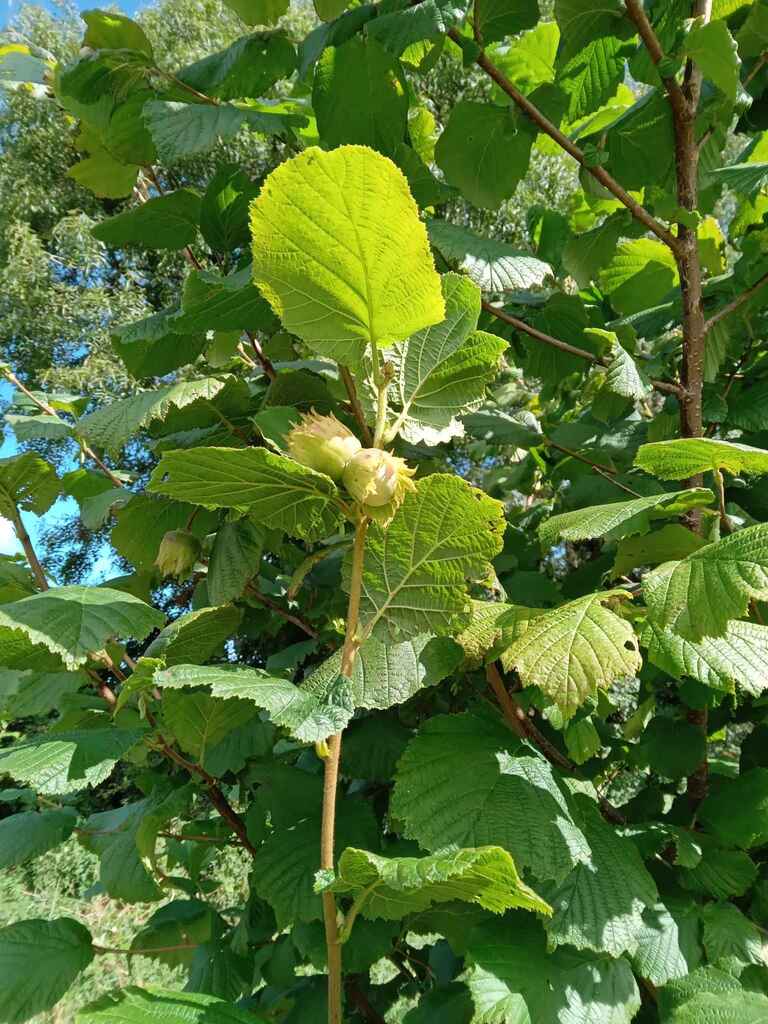
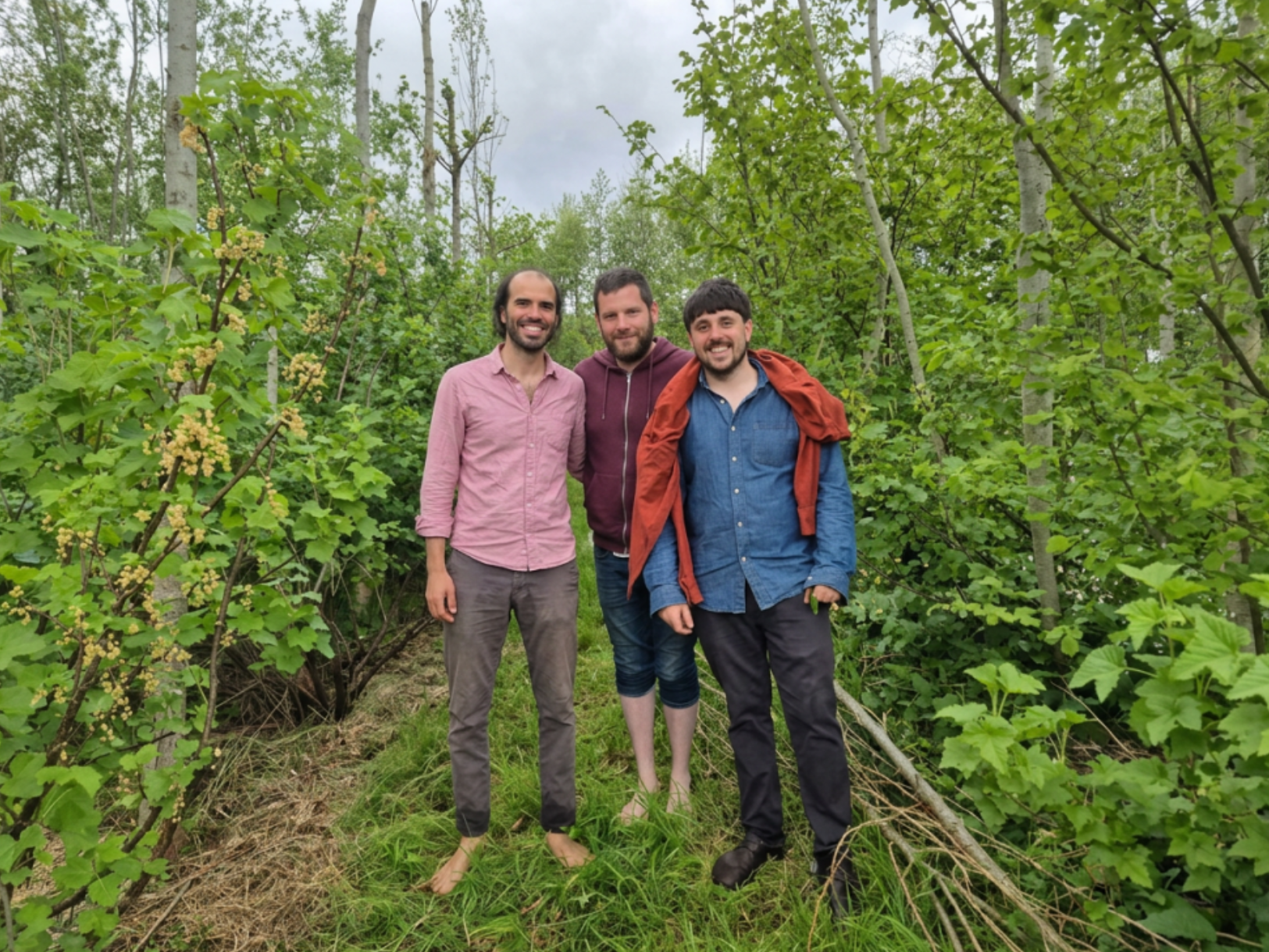
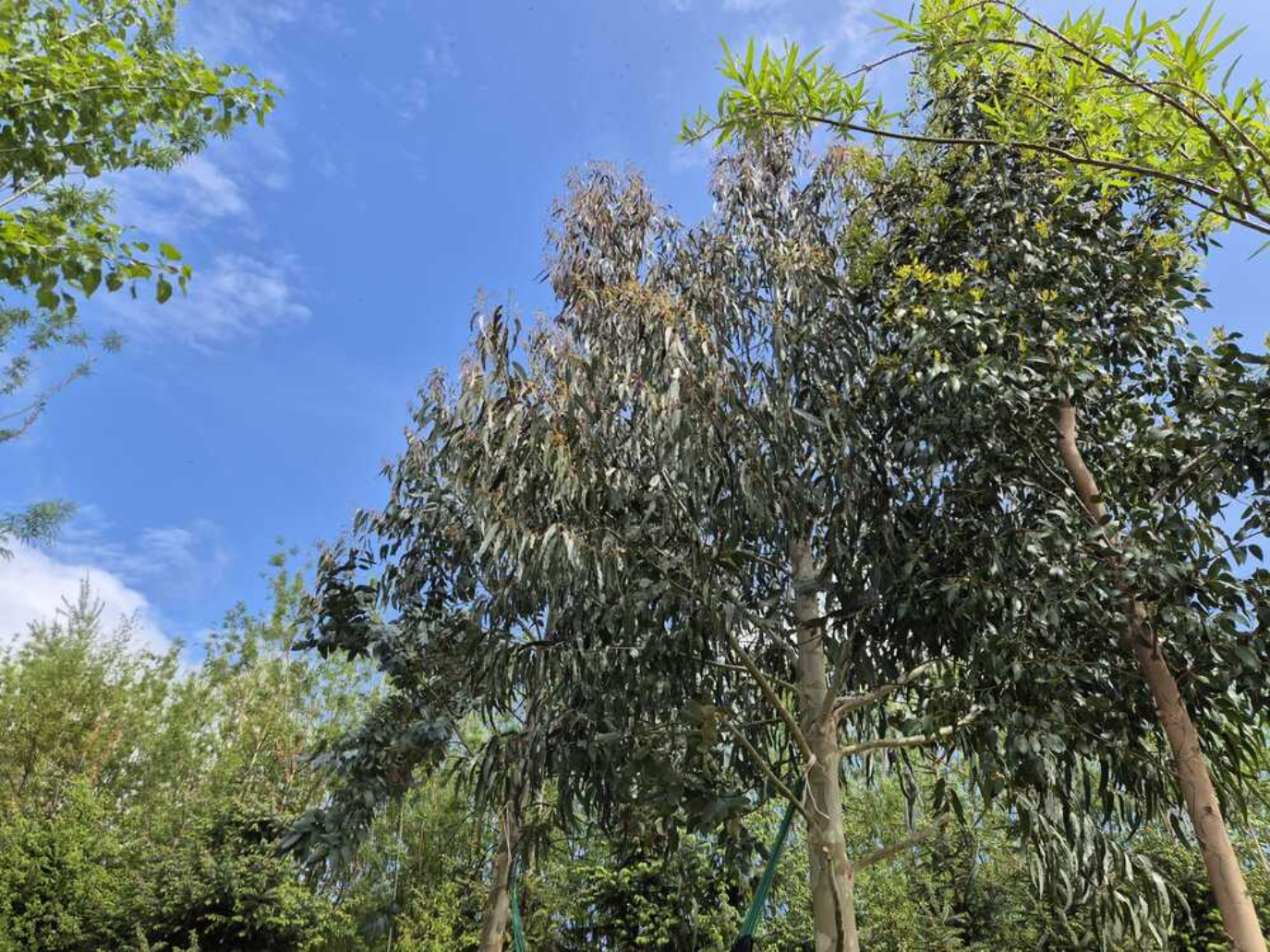
At Síolta Chroí, we grow a variety of nut trees including sweet chestnuts, cobnuts, walnuts, edible oaks, and Heartnuts, alongside fruit trees such as apples, pears, plums, and cherries.
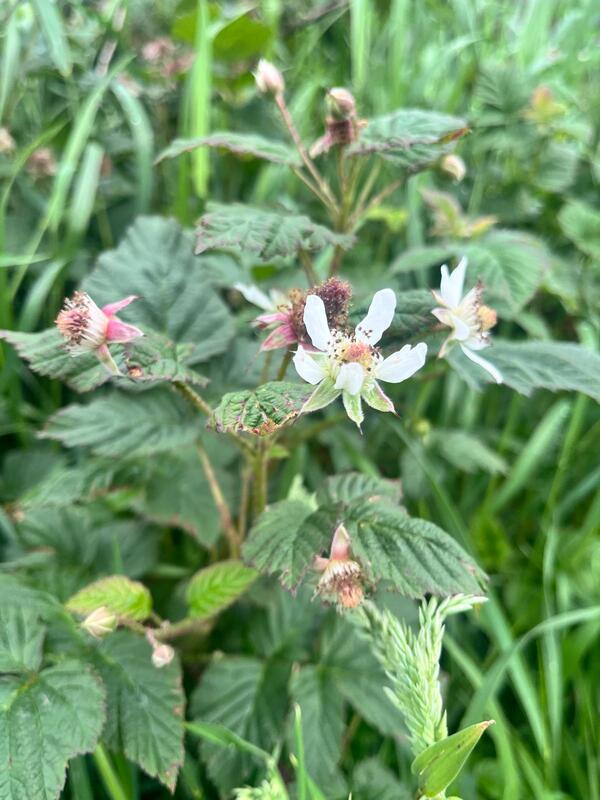
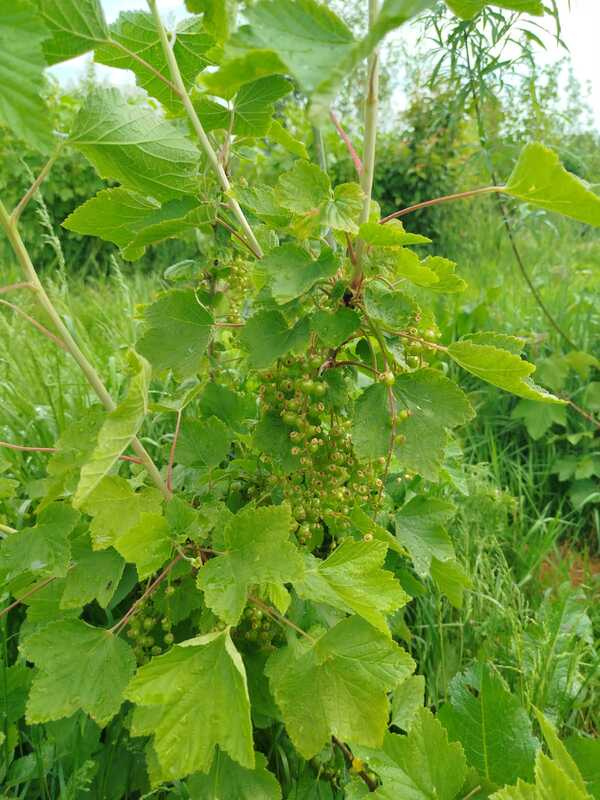
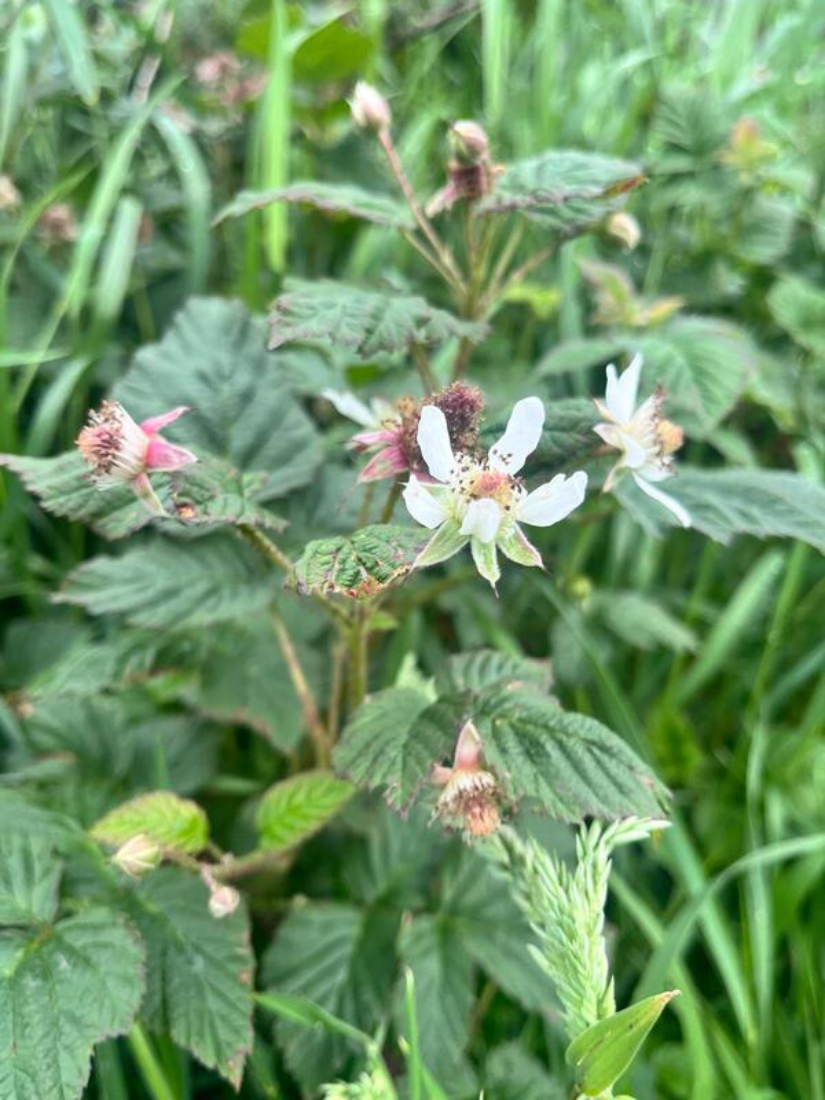
Beneath these trees, we cultivate berries, herbs, root crops, and climbing plants, creating a diverse and resilient ecosystem that mimics a natural forest while providing an abundance of food.


  • Food Forest
  • Food Forest 2
  • Nuts
  • Food Forest
  • Food Forest
  • Berries
  • Food forest people
  • Currant bush

Syntropic agriculture systems

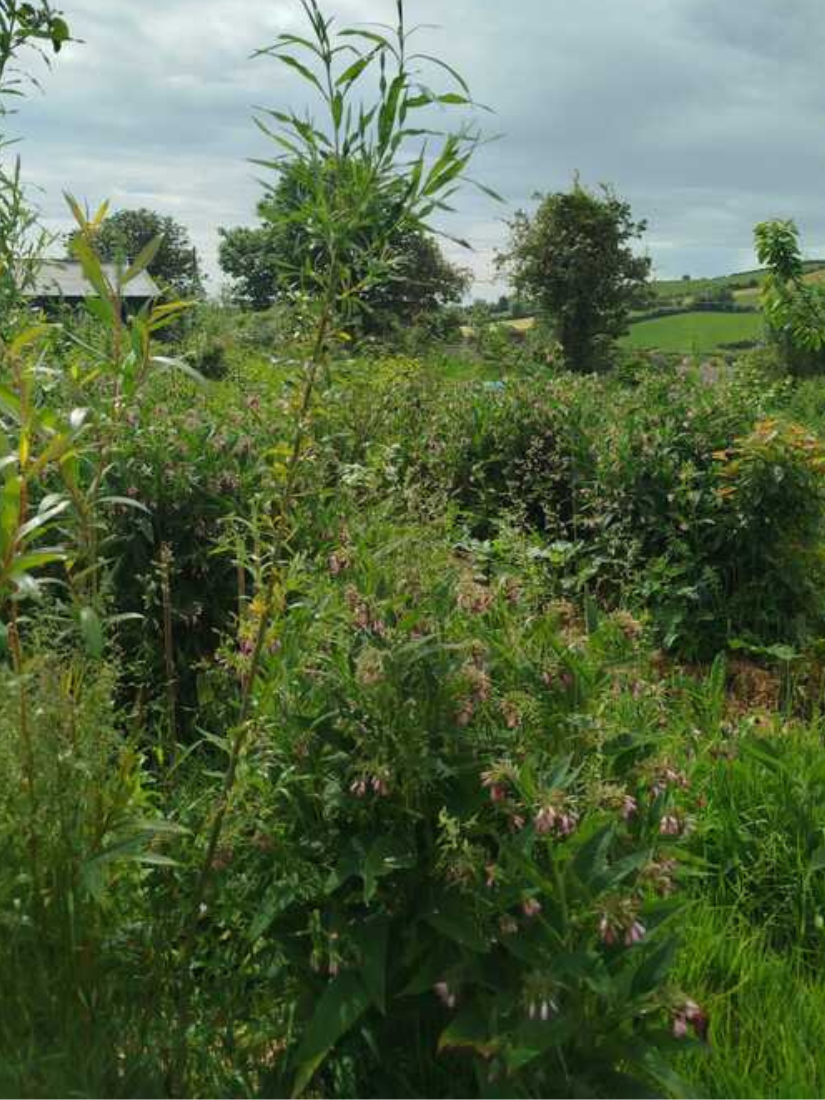
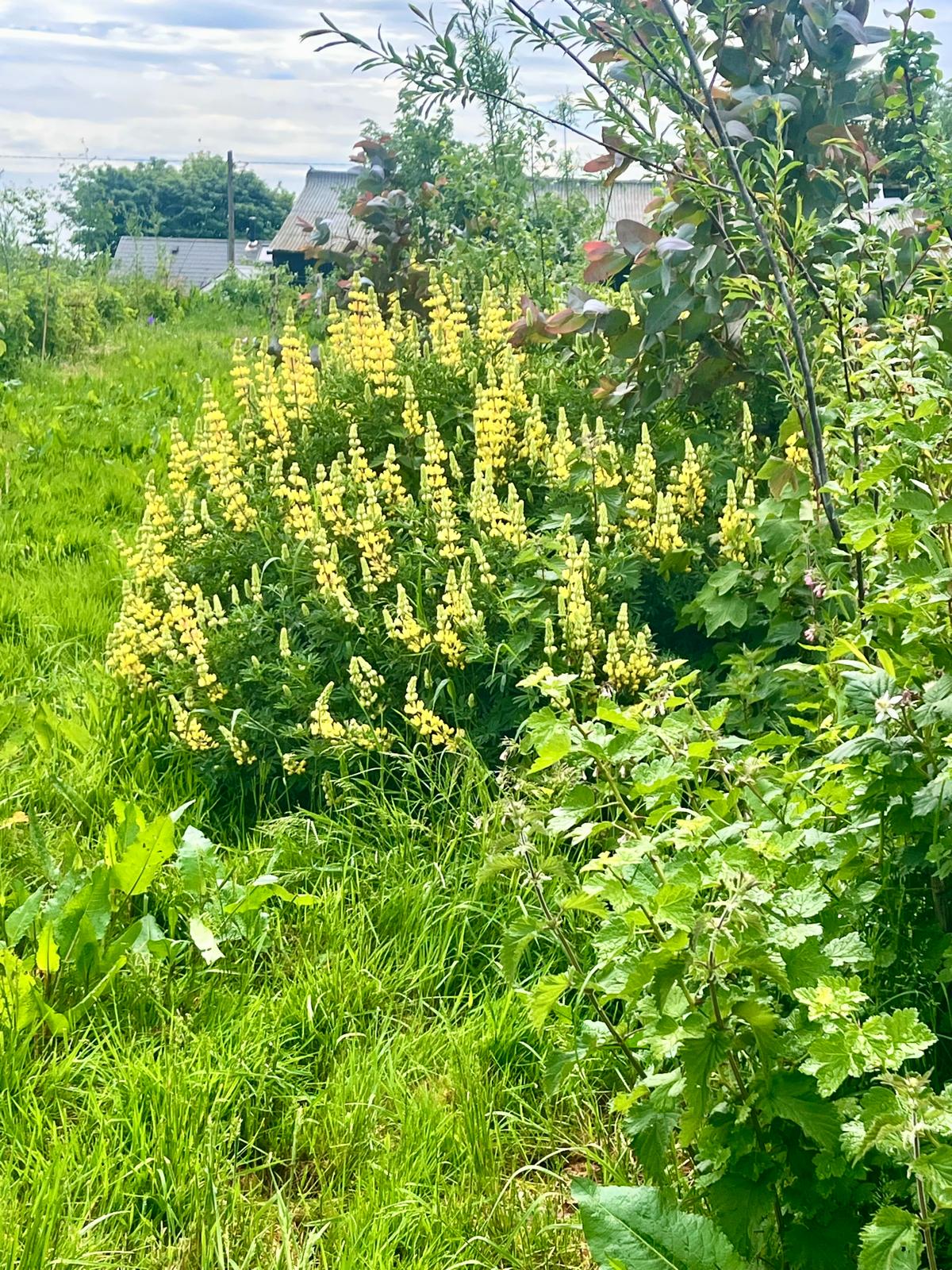
Over the last number of years, we have begun building on our food forest using Syntropic Agriculture techniques.
Syntropic agriculture works with the natural process of succession, creating farming systems that mimic the way ecosystems grow, regenerate, and build fertility over time.
Rather than seeing humans as separate from nature, Syntropic Agriculture recognises us as an integral part of it. Through thoughtful and intentional management, we can participate in the natural processes that create healthy soils, abundant food, and thriving ecosystems.
At its heart, syntropic agriculture seeks to reintegrate humans into nature—as active participants in a living, intelligent system.


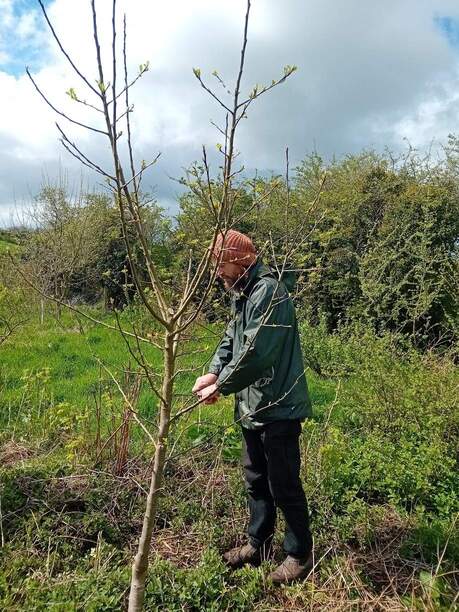
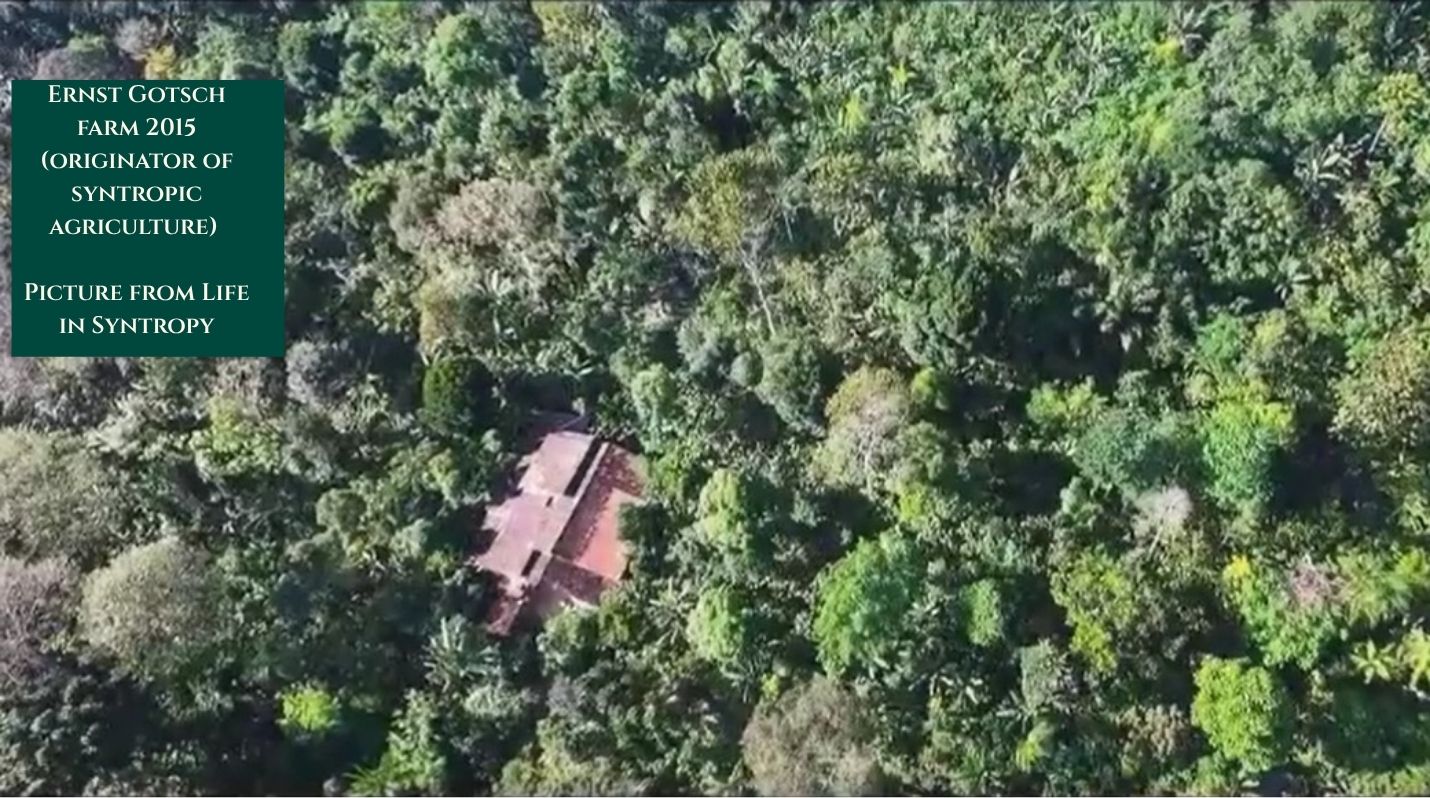
Syntropic farming is a regenerative agroforestry approach modeled on the way natural forests grow and renew themselves. Farmers plant a diverse mix of species together; from quick-growing annuals to long-lived timber trees; arranged in layers that echo a forest's canopy structure. Aggressive pruning fuels the system: cut material is dropped in place to decompose into rich mulch, feeding the soil without synthetic fertilizers. The result is land that captures more sunlight, regenerates its own fertility, and gradually heals from degradation.


  • Syntropic agriculture system
  • Syntropic agriculture system
  • Syntropic agriculture system
  • Syntropic agriculture system
  • Syntropic agriculture system
  • Ernst Gotsch farm 2015
  • syntropic farming
  • syntropic ag

Vegetable growing

Since 2020, we have been cultivating a diverse range of vegetables using a minimum-till approach, carefully reducing soil disturbance to support healthy soil life, improve biodiversity, and enhance long-term fertility. 

Although we are not yet certified organic, we have never used chemical sprays on our land. Instead, we nourish our soil with biologically rich compost and natural growing practices. Wherever possible, we use open-pollinated seeds, either saved from previous harvests or sourced from Irish seed producers.

The vegetables grown here provide fresh, nutritious food for participants attending our courses, helping to connect people directly with the land and the food they eat.


  • Vegetable garden
  • Vegetable garden
  • Seeds
  • Food from the garden
  • Veg garden
  • Vegetable harvest 2
  • People working the land

Food Forest

What would a food system look like that sequesters carbon, that builds biodiversity, that sequesters carbon (pulls it from the environment rather then puts it out) that feeds our families and our communities nutrient rich food. That builds community and that directs

Nature works through succession. If we stopped cutting, grazing, and ploughing the land, especially here in Ireland, it would become a forest again we are after all the Gaels "forest people," Natural succession is constantly moving the land in this direction.
Rather than working against this natural process, our food forest system works with it by creating a woodland that produces food for both people and wildlife.
At Síolta Chroí, we grow a variety of nut trees including sweet chestnuts, cobnuts, walnuts, edible oaks, and Heartnuts, alongside fruit trees such as apples, pears, plums, and cherries.
Beneath these trees, we cultivate berries, herbs, root crops, and climbing plants, creating a diverse and resilient ecosystem that mimics a natural forest while providing an abundance of food.


  • Food Forest
  • Food Forest 2
  • Nuts
  • Food Forest
  • Food Forest
  • Berries
  • Food forest people
  • Currant bush

Syntropic agriculture systems

Over the last number of years, we have begun building on our food forest using Syntropic Agriculture techniques.
Syntropic agriculture works with the natural process of succession, creating farming systems that mimic the way ecosystems grow, regenerate, and build fertility over time.
Rather than seeing humans as separate from nature, Syntropic Agriculture recognises us as an integral part of it. Through thoughtful and intentional management, we can participate in the natural processes that create healthy soils, abundant food, and thriving ecosystems.
At its heart, syntropic agriculture seeks to reintegrate humans into nature—as active participants in a living, intelligent system.


Syntropic farming is a regenerative agroforestry approach modeled on the way natural forests grow and renew themselves. Farmers plant a diverse mix of species together; from quick-growing annuals to long-lived timber trees; arranged in layers that echo a forest's canopy structure. Aggressive pruning fuels the system: cut material is dropped in place to decompose into rich mulch, feeding the soil without synthetic fertilizers. The result is land that captures more sunlight, regenerates its own fertility, and gradually heals from degradation.


  • Syntropic agriculture system
  • Syntropic agriculture system
  • Syntropic agriculture system
  • Syntropic agriculture system
  • Syntropic agriculture system
  • Ernst Gotsch farm 2015
  • syntropic farming
  • syntropic ag

Upcoming events

2026-05-23
02
:
00

Farm Open Day

A community open day on our permaculture farm, warmly inviting local families and children to explore farm life and discover how humans and the wider natural world can live in harmony together.
Facilitator:
Joanne Fullerton

Sign up for our newsletter

siolta chroi logo dark

Síolta Chroí facilitates peer-to-peers learning among land-workers and bring quality training opportunities to communities with the aim of supporting the agro-ecological local food movement on the island of Ireland.


© 2026 Síolta Chroí, Aghacloghan, Carrickmacross, Co Monaghan
Our current partners:
sse logoairtricity community fund logodpercmaynoothsaoltamore trees now logoetbsocial
linkedin facebook pinterest youtube rss twitter instagram facebook-blank rss-blank linkedin-blank pinterest youtube twitter instagram